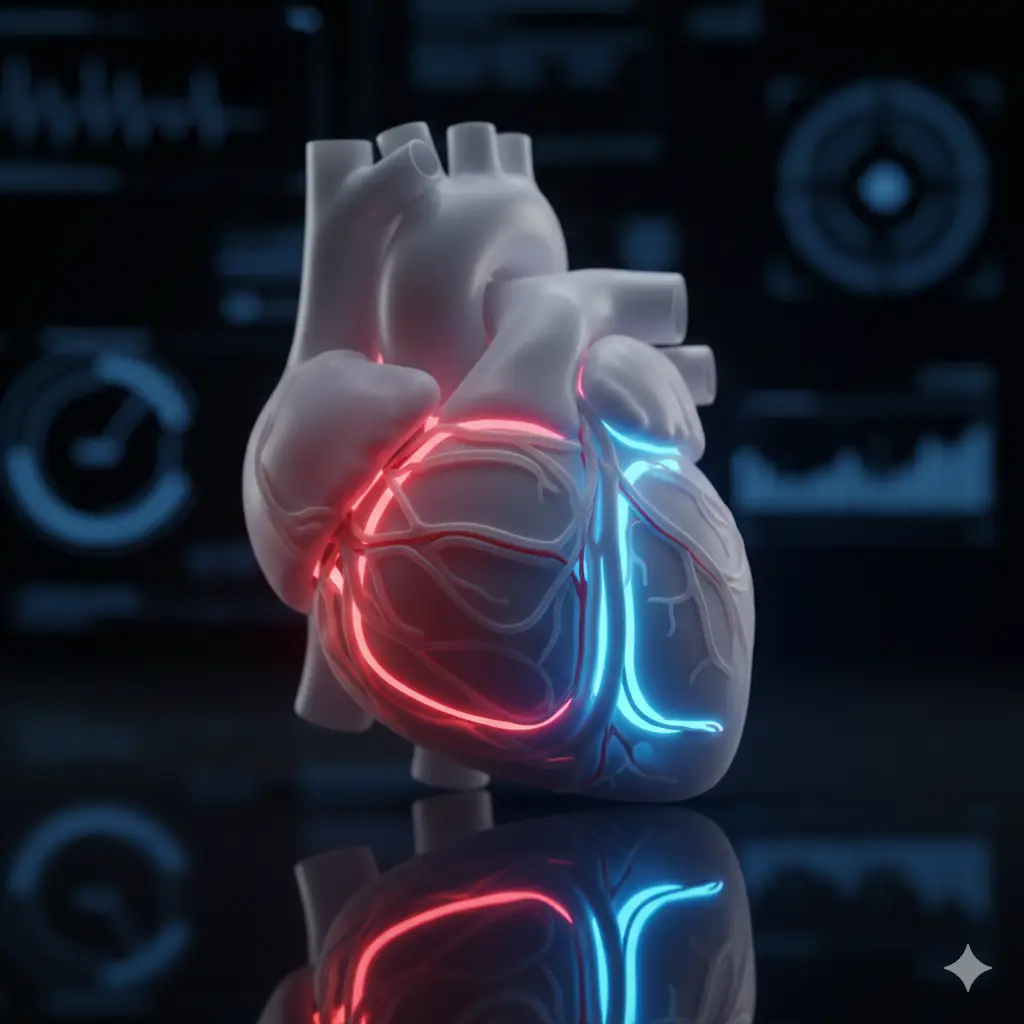
Soft Robotic Hearts: Mimicking Nature’s Pumping Power
Welcome to educatin.site, where we explore the most exciting frontiers in science and technology. Today, we’re delving into a truly groundbreaking area: soft robotic hearts. This research is taking cues from one of the body’s most vital organs, aiming to create better, more natural pumping systems.
The human heart is an incredible machine, a marvel of efficiency and resilience. Its natural, rhythmic, and flexible motion is something engineers have long sought to replicate. Now, through soft robotics, we are moving closer than ever to achieving that goal, not with rigid metal, but with compliant, life-like materials.
This approach moves beyond traditional, stiff mechanical pumps. It offers the potential for devices that can interact with biological systems more gently, leading to a profound shift in cardiac support technology. Let’s explore how this beautiful bio-inspiration is coming to life.
The Limitation of Traditional Pumps
For decades, mechanical heart-assist devices have saved countless lives. However, they often rely on rigid parts that spin or slide, which can introduce problems. The sharp, non-pulsatile flow can be unnatural for the body.
These rigid surfaces can damage blood cells, leading to clotting, stroke risk, and the need for continuous blood thinners. The very mechanical nature of the pump can cause wear and tear, necessitating eventual replacement. There is an inherent design conflict when using stiff components to handle a soft, fluid-filled organ.
Soft robotics seeks to resolve this conflict by literally embodying the flexibility of natural tissue. By using compliant, stretchy materials, we can better simulate the smooth, contracting motion of the heart muscle itself.
What is a Soft Robotic Heart?
A soft robotic heart is essentially a pumping mechanism made primarily from flexible polymers, such as silicone or specialized elastomers. These materials allow the device to deform and move in ways that closely resemble biological cardiac tissue.
Instead of using spinning turbines, these soft hearts typically use pneumatic or hydraulic actuation. This means they are powered by pressurized air or fluid being pumped into small chambers or channels within the soft material. The change in pressure causes the material to rhythmically expand and contract.
Imagine squeezing a rubber bulb to push water out; a soft robotic heart works on a similar principle. This gentle, pulsatile action is far more harmonious with the body’s natural cardiovascular system, leading to a reduced risk of blood cell damage.
Mimicking the Cardiac Cycle
The key to efficiency lies in accurately modeling the natural cardiac cycle, which involves two main phases: systole (contraction) and diastole (relaxation). A successful soft robotic heart must seamlessly transition between these two states to ensure effective blood flow.
Researchers design the soft pump chambers to contract from the outside in, just like the actual heart muscle. This creates a smooth, squeezing motion that maximizes blood expulsion while minimizing turbulent flow. This is crucial because turbulent, chaotic flow is a major contributor to blood clotting in conventional devices.
For example, some designs use a series of interconnected actuators wrapped around the heart. When pressurized, these actuators squeeze the natural heart, helping it pump without ever directly touching the blood. This offers a gentler form of assistance than implanting an artificial pump directly into the bloodstream.
The Advantage of Compliance
The most compelling benefit of using soft materials is their compliance. The device can easily adjust its shape and motion to better match the surrounding biological tissue, promoting better integration within the body.
Compliance reduces the likelihood of mechanical failure from repetitive stress, as flexible materials handle continuous deformation well. Furthermore, it helps prevent tissue damage or erosion where the device meets the patient’s existing organ. This natural interface is critical for long-term support.
A highly compliant device is also easier to scale and customize. It can be tailored in size and shape to fit different patients, from small children to adults, simply by altering the mold used to cast the soft polymer. This level of personalized medicine is difficult to achieve with rigid, standardized metal parts.
Potential Applications in Medicine
The research into soft robotic hearts extends far beyond complete heart replacement. These flexible pumps offer promise for various cardiac support systems.
Ventricular Assist Devices (VADs)
A VAD is a mechanical pump used to support heart function in patients with end-stage heart failure. Soft robotic VADs could wrap around a weakened ventricle, gently squeezing it to augment its pumping power. This external support reduces stress on the native heart and allows it to rest and potentially recover.
Unlike current VADs that draw blood out of the ventricle, a soft, external wrap could assist without ever touching the blood. This greatly mitigates the risk of blood damage and the associated side effects, making it a potentially safer, long-term solution while awaiting a transplant.
Surgical and Training Models
Beyond direct implantation, soft robotic hearts are invaluable for training and research. Surgeons can practice complex procedures on a soft, beating model that truly mimics the feel and response of a real organ.
These models can be programmed to simulate various cardiac conditions, such as arrhythmias or valve failures. This provides a realistic, low-risk environment for students and experienced surgeons to hone their skills. They are also crucial for testing new drugs or medical devices under life-like conditions.
The Road Ahead
While the promise of soft robotic hearts is immense, they are still primarily in the research and development phase. Key challenges include miniaturizing the external power supply and control systems needed for actuation, and ensuring the long-term biocompatibility and durability of the soft materials in the body.
Engineers are actively working on closed-loop control systems. These systems would use sensors to monitor the patient’s blood pressure and oxygen levels, automatically adjusting the pump’s frequency and force in real-time, just as a healthy heart naturally does in response to exercise or rest. The goal is truly autonomous, life-like assistance.
The collaboration between material scientists, roboticists, and cardiac surgeons is driving this field forward. This interdisciplinary effort ensures that the devices are not only technologically advanced but also clinically relevant and safe for human patients.
Tips for Understanding Biomechatronics
- Focus on the concept of biomimicry—how technology copies nature’s solutions.
- Understand the difference between rigid and compliant materials in medical devices.
- Learn the basics of pneumatic and hydraulic actuation, the typical drivers of soft robots.
- Recognize the importance of pulsatile flow for healthy blood circulation.
- Keep an eye on advancements in biocompatible polymers, the building blocks of these systems.
The development of soft robotic hearts is a testament to the power of learning from nature. By embracing the flexibility and efficiency of the natural cardiac tissue, we are creating a healthier, softer future for cardiac support. This is truly where engineering meets biology to heal and sustain life.